

Exploring Loreto’s Natural Wonders

Don’t have time to read the whole article? The best accommodation in Loreto, Mexico, is La Mision Loreto
How to get there: Take a flight to Tijuana International Airport (TIJ) or Loreto International Airport (LTO). Several airlines offer direct flights to Loreto from major cities. If flying into Tijuana, it’s a 13-hour drive to Loreto, so flying directly to Loreto is the most convenient option.
Best Tours: Where The Sidewalks End
Need more trip-planning tips? Check out our resource list below!

Jump to your interests
- Exploring Loreto’s Natural Wonders
Please note: This trip was sponsored by HipTraveler, and the Loreto Tourism Board . All thoughts and opinions are my own.
Loreto, Mexico: Where the Luxury is Nature
When I first arrived in Loreto, it didn’t take long to realize this coastal town was something special. Nestled between the Sierra de la Giganta mountains and the Sea of Cortez, it’s a place where every turn offers a chance to connect with nature. Whether you’re kayaking alongside dolphins, hiking trails surrounded by towering Cardón cacti, or snorkeling around pristine island beaches, Loreto has a way of making you slow down and breathe in its beauty.
During my visit, I explored some incredible places, like the prehistoric can paintings of La Pingüica and the oasis towns of San Javier and La Purísima, where I learned how locals have thrived off the land for centuries. I paddled through crystal-clear waters and even caught a glimpse of blue whales in their winter migration—an experience I’ll never forget. And if you love history, culture, or outdoor adventures, Loreto truly has it all.
This guide is packed with tips and highlights from my time in Loreto, including the best hikes, kayaking spots, and special spots to visit that you won’t want to miss. Whether planning your trip or just dreaming about it, keep reading to discover why Loreto might become your new favorite destination.
Desert Adventures around Loreto
Exploring La Pingüica’s Prehistoric Cave Paintings
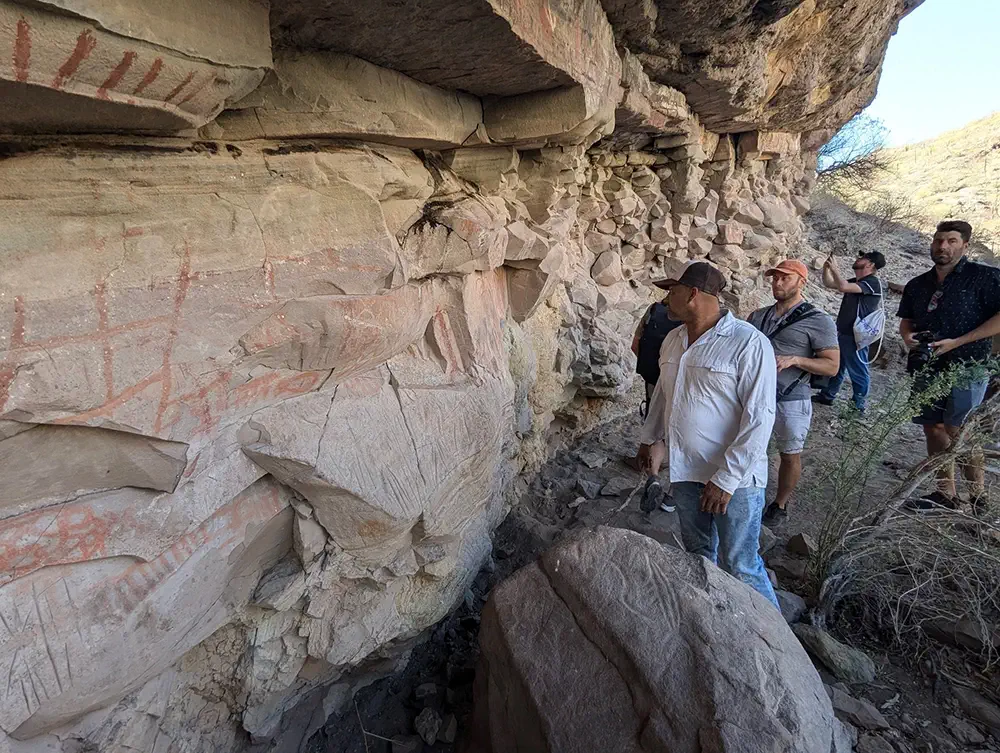
La Pingüica, also referred to as Canipole, lies approximately 1.5 hours north of Loreto in Baja California Sur. This site contains an extensive collection of ancient pictographs and petroglyphs, offering significant insights into the lives of early inhabitants of the peninsula. These artworks are estimated to date back between 7,200 and 14,000 years, making them among the oldest documented examples in the region. Archaeological evidence suggests that the area was home to early nomadic hunter-gatherer tribes.
The cave paintings feature a variety of forms, including human and animal figures. The imagery suggests connections to hunting, rituals, and daily life, with some figures possibly representing spiritual or communal practices. The site is also notable for its use of multiple colors, with certain pictographs displaying intricate details, while others utilize bold, sweeping strokes. Carved petroglyphs add another dimension, depicting animals such as snakes, fish, and even whales, highlighting their importance to the people who created them.
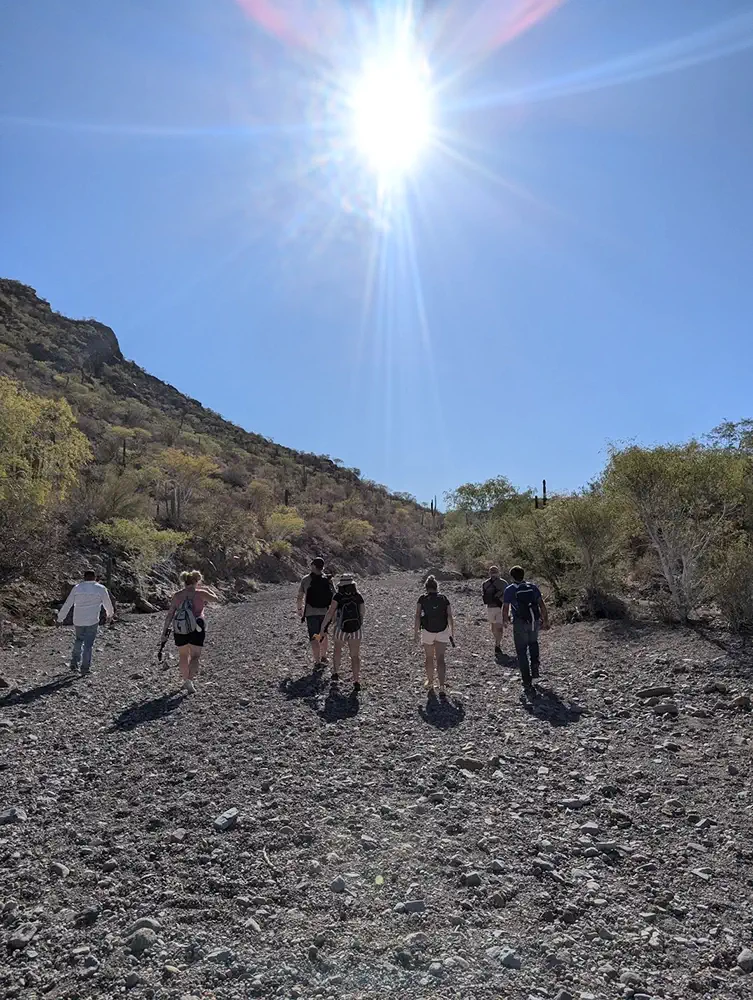
Accessing La Pingüica involves a hike along a dry riverbed, approximately 3.5 kilometers (or 2.25 miles) each way. The route was mostly on flat terrain with sections of narrow trails and gravel creek beds. The gravel hiking was a bit more challenging, and good shoes with ankle support are recommended.
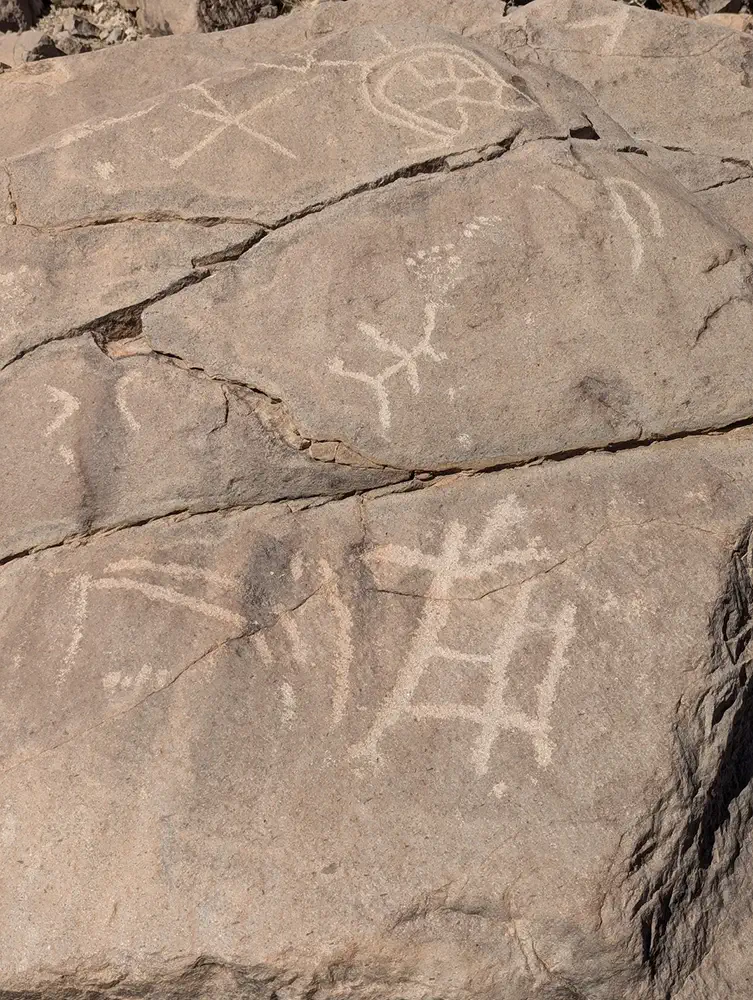
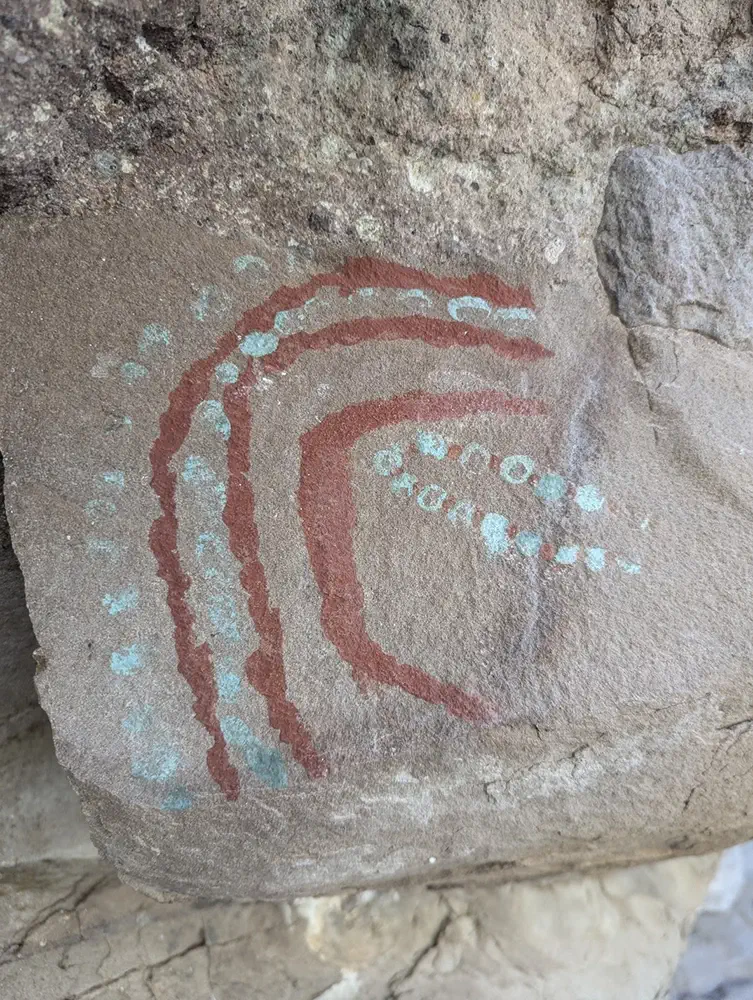
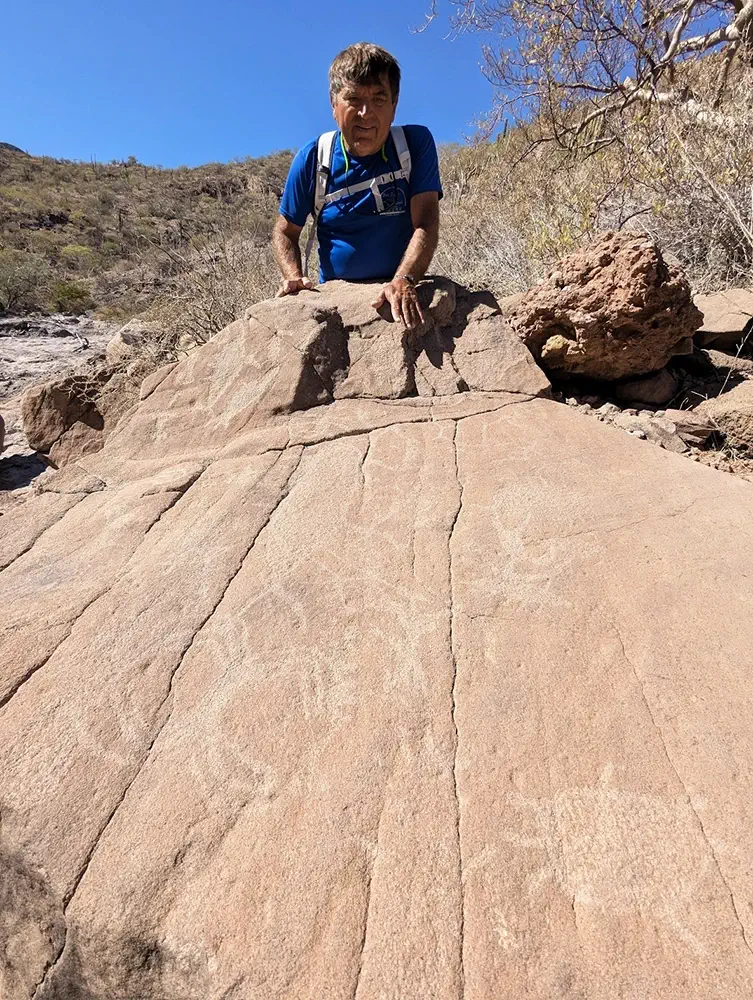
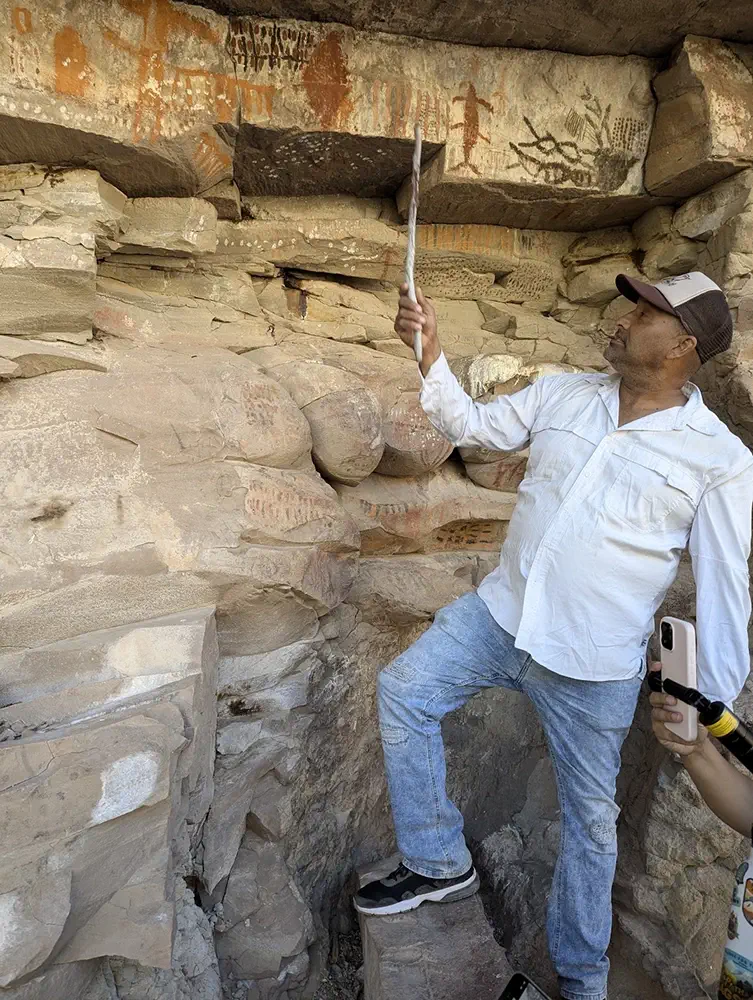
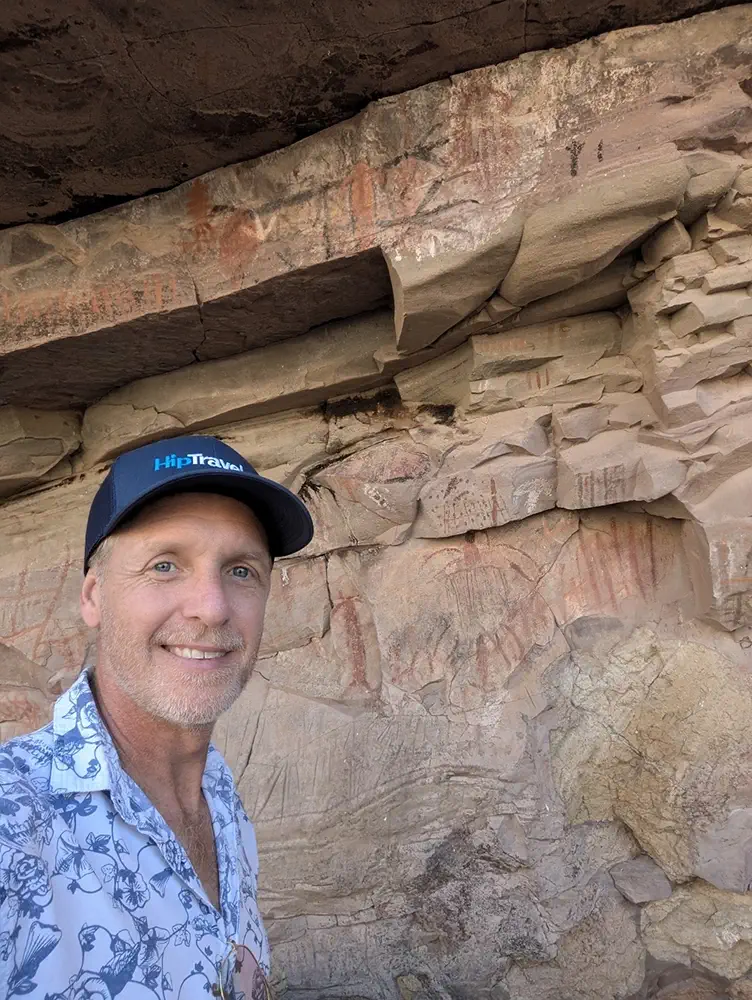
Guided tours provide transportation from Loreto, as well as context about the site’s historical and environmental significance. We also never would have found the caves on our own, as everything kind of looks the same after a while – rocks, cacti, shrubs. The different tours available usually highlight the challenges of preserving the fragile artwork, encouraging respectful distances to be kept, so generations to come can enjoy them as well.
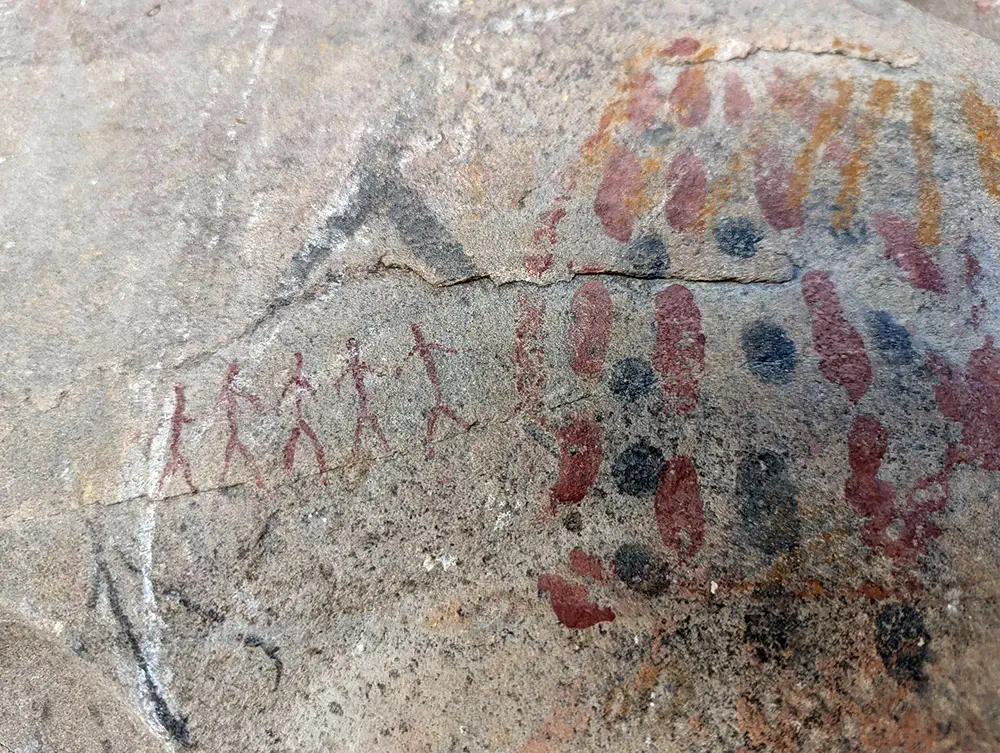
Designated as a protected site by Mexico’s Instituto Nacional de Antropología e Historia (INAH), La Pingüica remains an important location for archaeological study. Visitors are urged to avoid touching the paintings and carvings, ensuring the site’s longevity for future study and appreciation.
Learn Indigenous Survival Techniques in Baja Sur

The indigenous peoples of Baja California Sur, including the Pericúes, Guaycuras, and Cochimíes, have long exemplified a profound connection to their environment, embodying principles of austerity, self-sufficiency, and a comprehensive use of biodiversity.
In the arid landscapes surrounding Loreto, these communities developed ingenious methods to sustain themselves. One notable practice involved extracting water from cacti, such as the cholla. By carefully squeezing a section of the cactus between two rocks, they could access its water inside, providing a vital resource in the desert’s harsh conditions. This technique was demonstrated by our guide, while he explained the ancestral respect for the land, ensuring that their methods were sustainable and did not harm the ecosystem.
Beyond water extraction, the indigenous diet was discussed with their intimate knowledge of the land’s offerings. They gathered seeds, roots, stems, and leaves of edible plants, hunted local wildlife, and, for those near the coast, harvested a variety of shellfish and fish. This diverse diet was complemented by the use of cacti species like the Opuntia, commonly known as prickly pear (or “tuna” in Mexico – not to be confused with the fish, with is “atun”), and its petals, known as “nopal”.
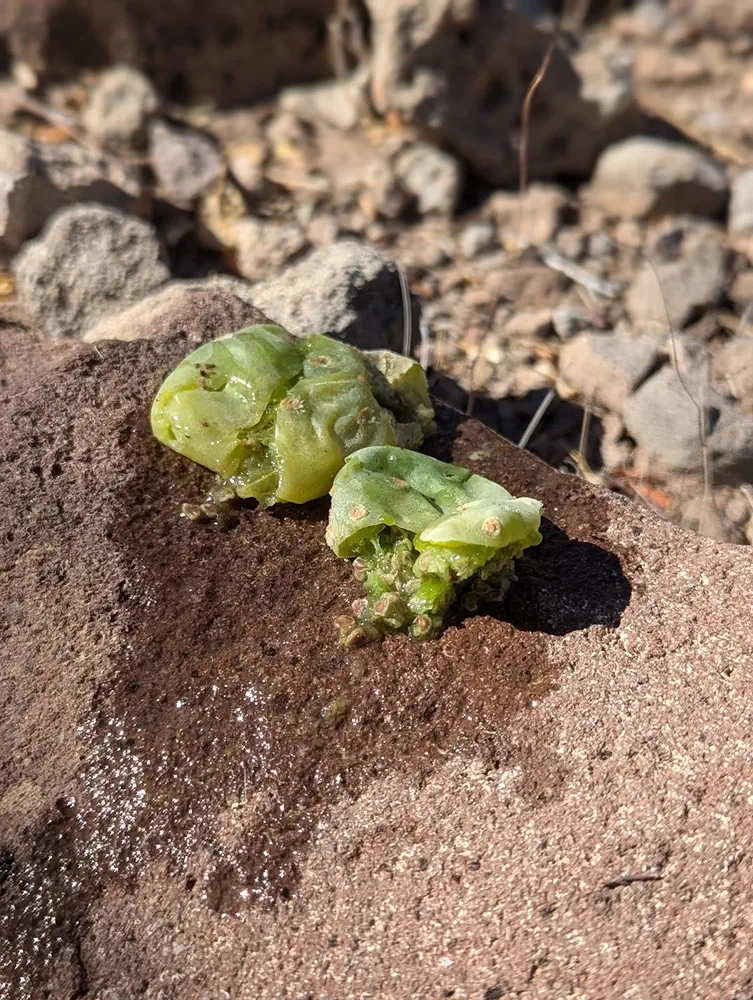
Their semi-nomadic lifestyle allowed them to adapt to the peninsula’s challenging conditions, moving with the seasons and the availability of resources. This harmonious existence with nature ensured the preservation of their environment for generations.
For travelers visiting Loreto, there are opportunities to engage with indigenous people responsibly and sustainably. Exploring local museums, participating in guided tours led by indigenous descendants, or visiting cultural centers can provide deeper insights into these ancient practices. These types of experiences honor the enduring legacy of Baja California Sur’s Indigenous communities and will help connect you on a deeper level to where you are visiting.
Learning about these traditions served as a reminder of the importance of living in harmony with the land, a lesson that resonates profoundly in today’s world.
Hiking the Camino Real Trail in Baja California Sur
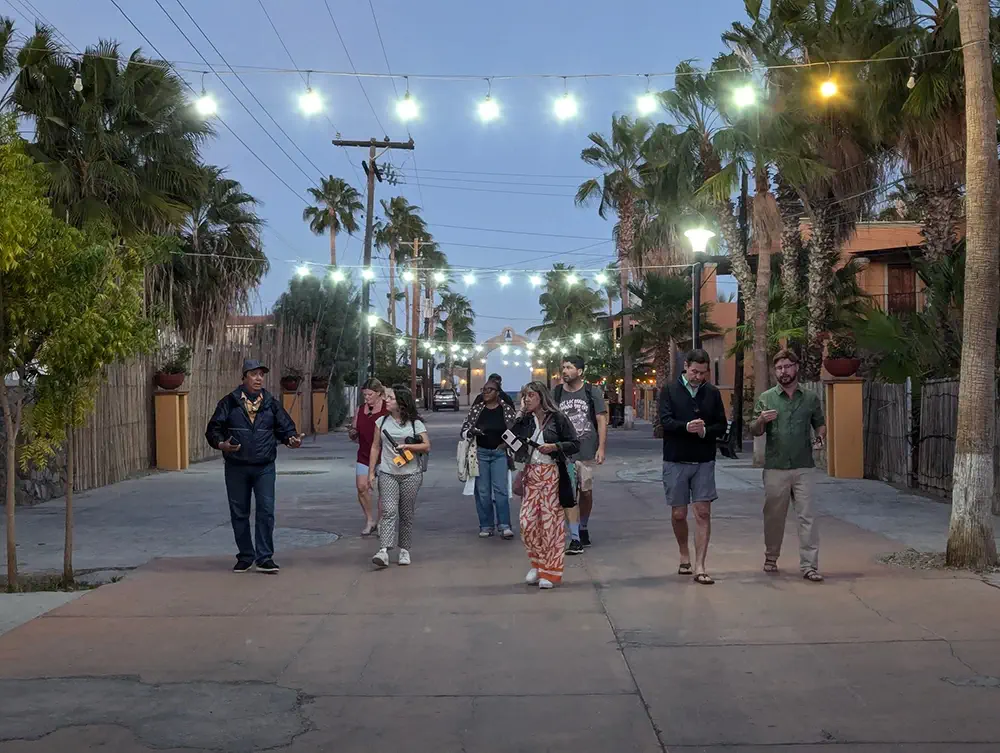
The Camino Real, or “The Royal Road,” is a historic trail that once connected the Spanish missions throughout Baja California. Originating in Loreto, the first permanent mission established in 1697, the trail extends northward, taking you through diverse terrains and offering a glimpse into the region’s past.
Starting your journey on this trail from Loreto, hikers will experience the same paths once used by missionaries and indigenous peoples. The route leads through the Las Parras canyon, ascending towards the mission of San Francisco Javier, established in 1699. Along the way, travelers encounter remnants of ancient stone chapels, such as the visita of San Juan Bautista Londó, and experience the rugged beauty of the Sierra de la Giganta mountains.’
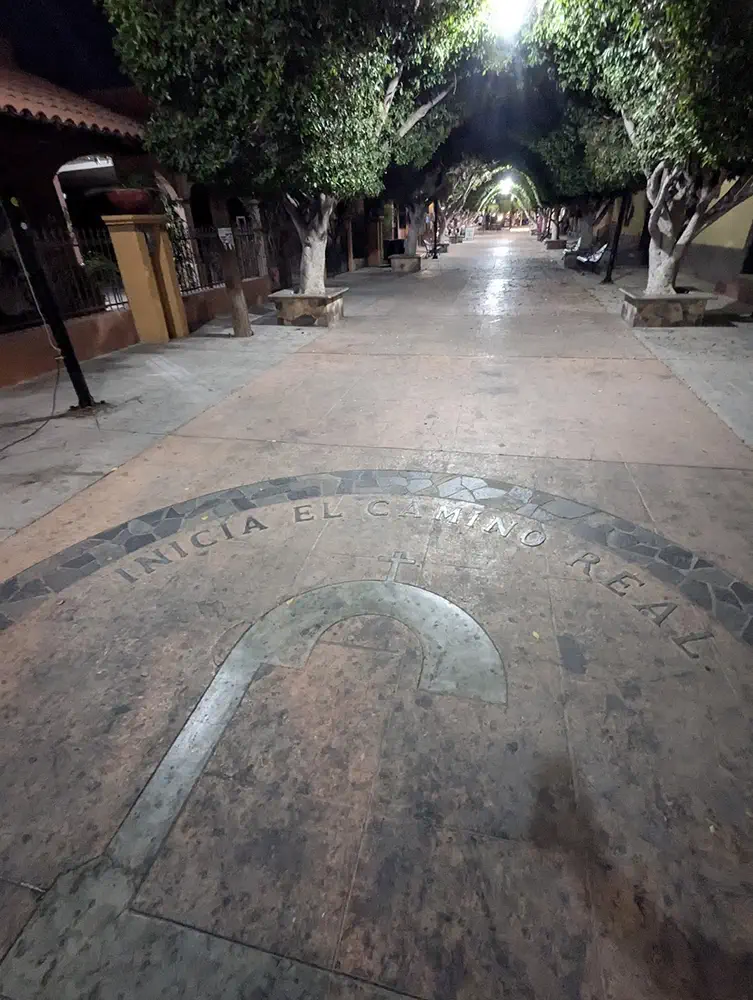
While I was unable to hike the Camino Real during my recent visit, the allure of its historical significance and natural wonder left me wanting more (and yet another reason to come back to Loreto!). The trail is both physically challenging, as well as a connection to the cultural and spiritual ancestry of Baja California. Something for the mind, body, and soul. Local guides are available for the experience, providing insights into the trail’s history and the flora and fauna encountered along the way (and making sure you arrive in one piece).
Encountering the giant Cardon Cactus
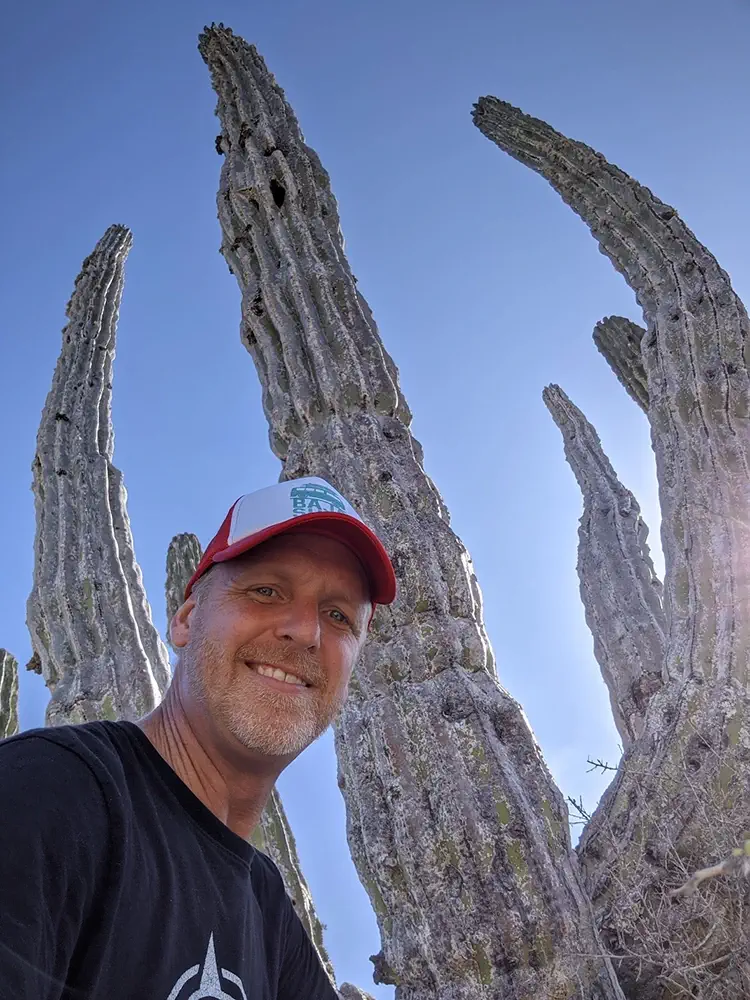

As you venture beyond Loreto, whether by car or on foot, you’ll encounter the awe-inspiring Cardón cacti (Pachycereus Pringlei), the tallest cacti species in the world. These towering giants are native to the Baja California peninsula and can live for over 300 years.
The landscape surrounding Loreto is adorned with these impressive succulents, their massive trunks and expansive arms creating a dramatic silhouette against the desert sky. My friend Teresa commented how they each look like they have their own personalities, and was naming them as encountered them. On any drive out of town, you’ll find yourself amidst forests of Cardón cacti, standing like ancient guardians of the desert. Hiking trails in the region offer an even closer encounter, allowing you to fully appreciate their grandeur and the intricate ecosystems they support.
The Cardón cactus is often confused with the saguaro; however, the saguaro is not found in Baja California. The Cardón holds the title of the world’s largest cactus, with some measuring nearly 70 feet (21 meters) high and weighing up to 25 tons. Our guide told us how the accordion-shaped veins expand and contract as they drink up and then use water from sparse rainfall. It hadn’t rained in over 2 years during our visit, yet many were still holding strong!
Desert Oasis and Cultural Experiences Near Loreto
Visiting San Javier, Baja California Sur
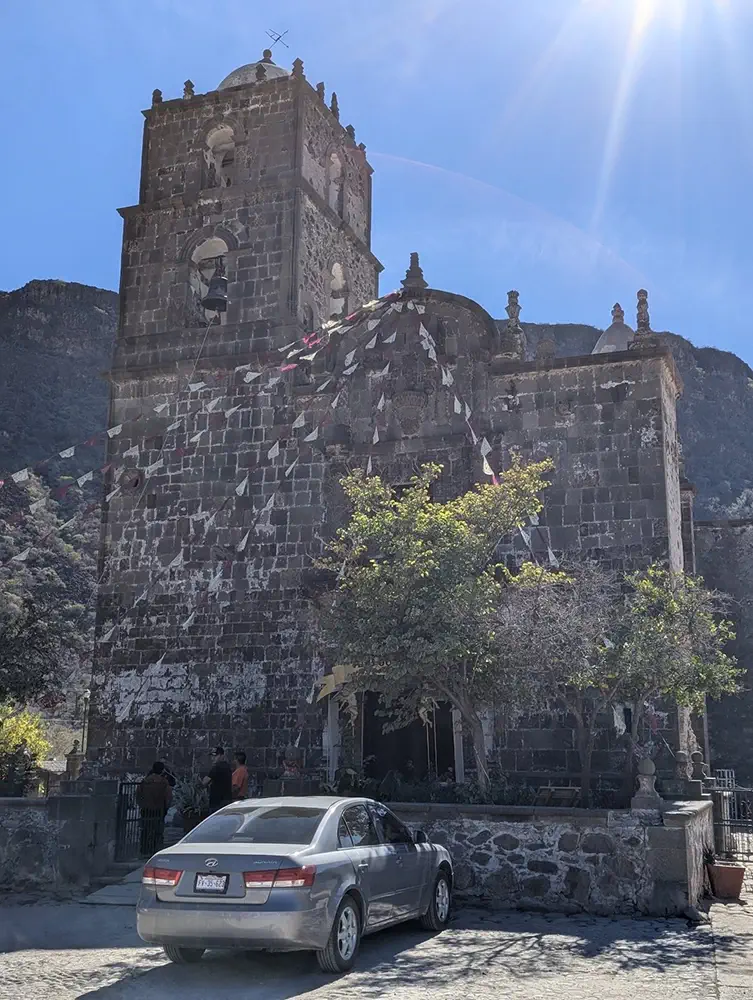
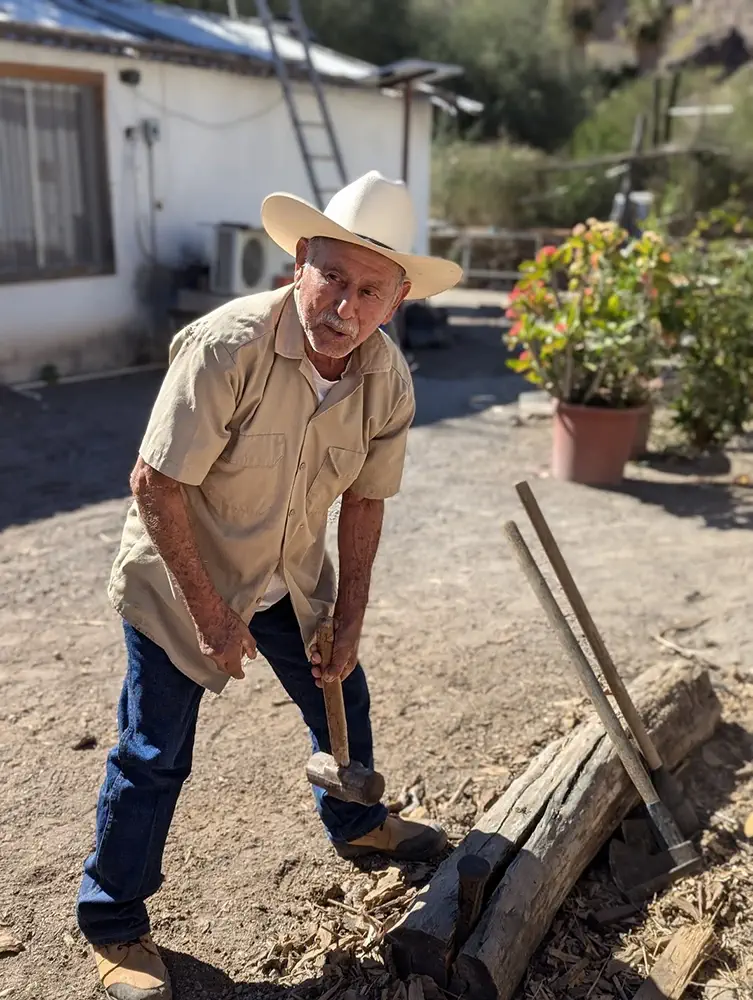
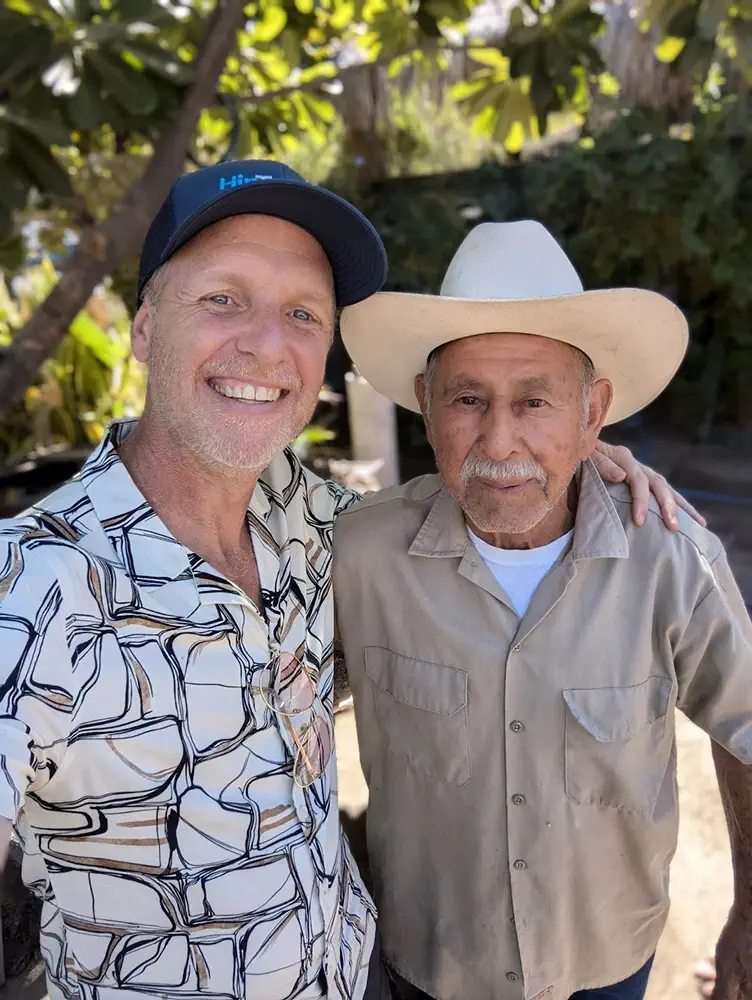
Nestled in the heart of the Sierra de la Giganta mountains, approximately 36 kilometers southwest of Loreto, lies the tranquil oasis town of San Javier. Accessible via a scenic drive that winds through rugged landscapes into the mountains, this village offers a glimpse into centuries-old sustainable living practices that have enabled its residents to thrive for generations. We met one local man who told us he was 79 years old though appeared decades younger, with family members living well past 100. He attributes their longevity to their lifestyle of eating what they grow and taking cold showers. I was with him up to the cold shower part.
At the heart of San Javier stands the Misión San Francisco Javier de Viggé-Biaundó, commonly known as Misión San Javier. Established in the early 18th century, this well-preserved baroque-style mission is often referred to as the “Jewel of the Missions” in Baja California.
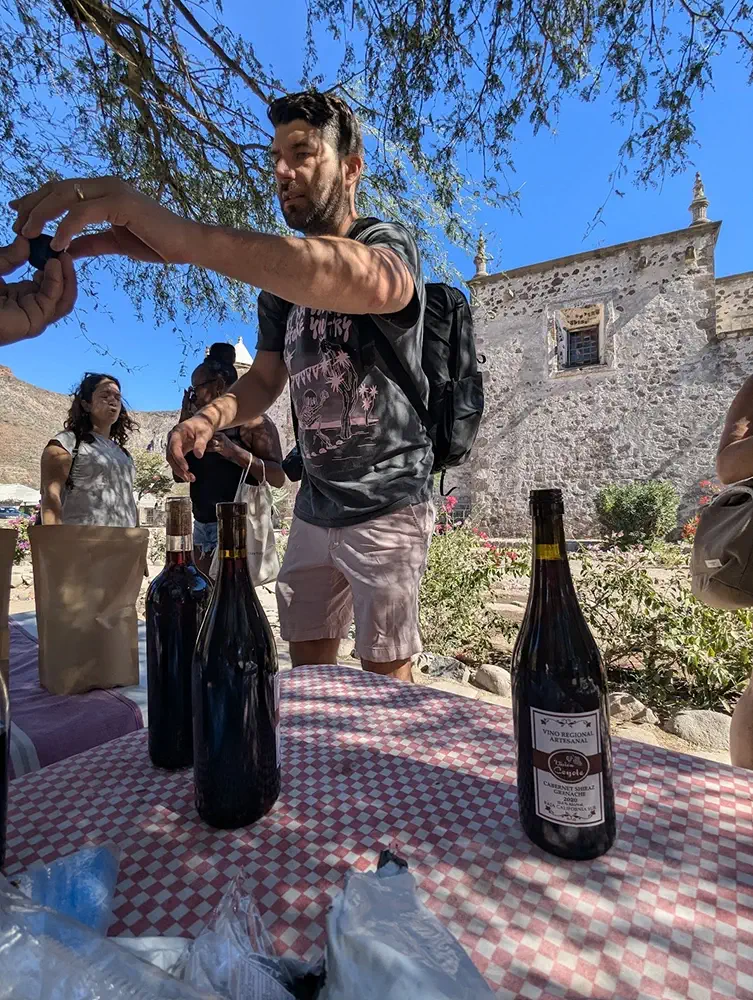
The mission’s surrounding orchards and gardens, nourished by a sophisticated irrigation system developed by the Jesuit missionaries and indigenous inhabitants, continue to flourish today. These ancient acequias channel precious water from nearby springs, supporting the cultivation of olives, grapes, and various fruits and vegetables. This self-sustaining agricultural practice has provided sustenance for the community for centuries. It has also fostered a deep connection to the land, a tradition that persists among San Javier’s residents.
Visitors to San Javier can explore the mission, wander through the verdant orchards, and engage with locals who proudly share their culture and sustainable lifestyle. The town’s commitment to preserving its cultural and environmental practices offers travelers a unique opportunity to reflect on the importance of sustainable living and the bond between people and their natural surroundings.
Exploring La Purísima, BCS
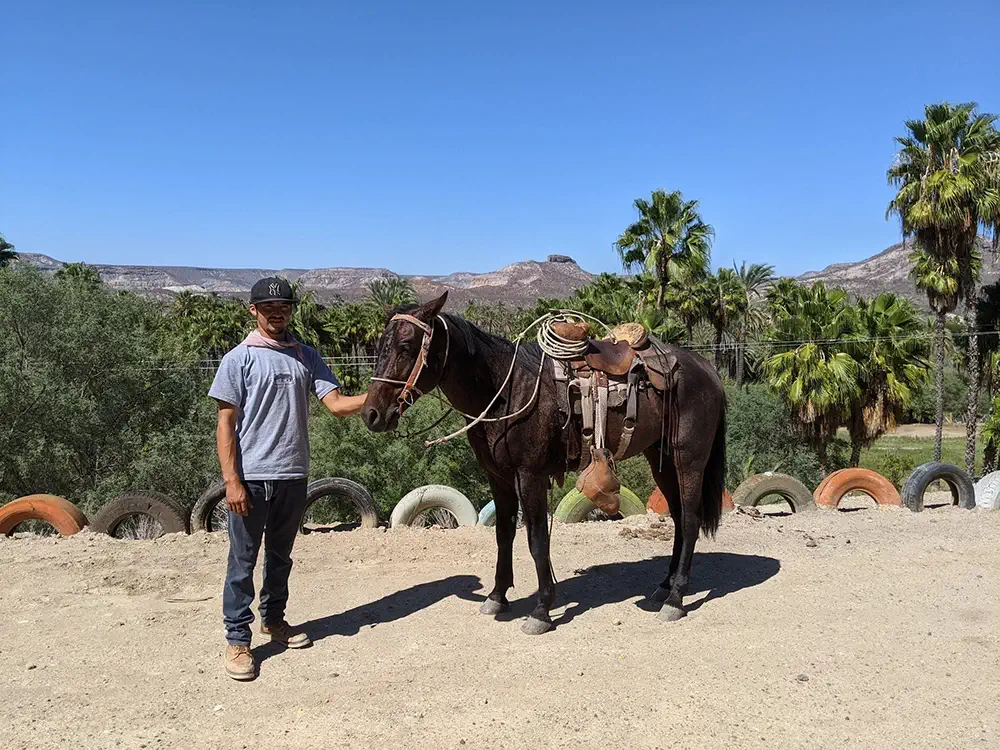

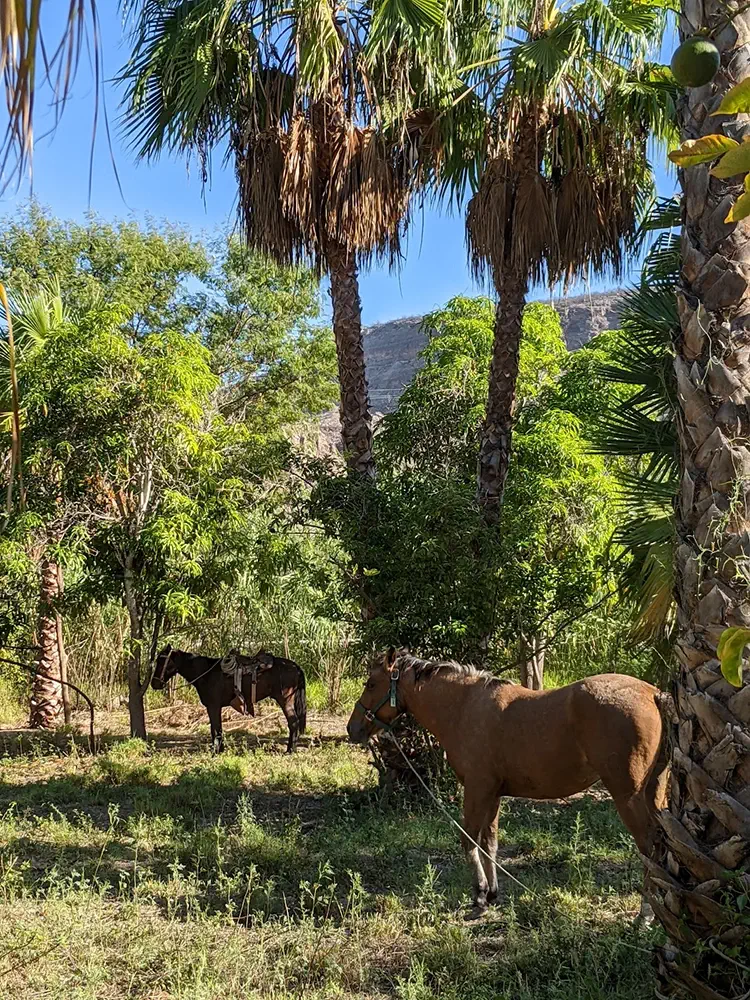
Situated approximately 120 kilometers (75 miles) northwest of Loreto in the municipality of Comondú, La Purísima is a serene oasis town that has lush landscapes, history, and opportunities for adventure.
Founded in 1717 by Jesuit missionary Nicolás Tamaral, the Misión de la Purísima Concepción de María Cadegomo was established near the iconic Cerro El Pilón (The Pylon). The missionaries interpreted the mountain’s unique shape as a divine sign, leading to the mission’s establishment in the valley.
Today, visitors can explore the remnants of the mission and immerse themselves in the natural beauty of the area. The town is surrounded by palm groves, freshwater springs, and the tranquil waters of the Comondú River, making it an ideal destination for outdoor enthusiasts. Activities such as hiking, bird watching, and kayaking are popular here, offering a chance to connect deeply with the environment. We spent an afternoon kayaking and stand-up paddleboarding next to El Pilón, and it was wonderful!
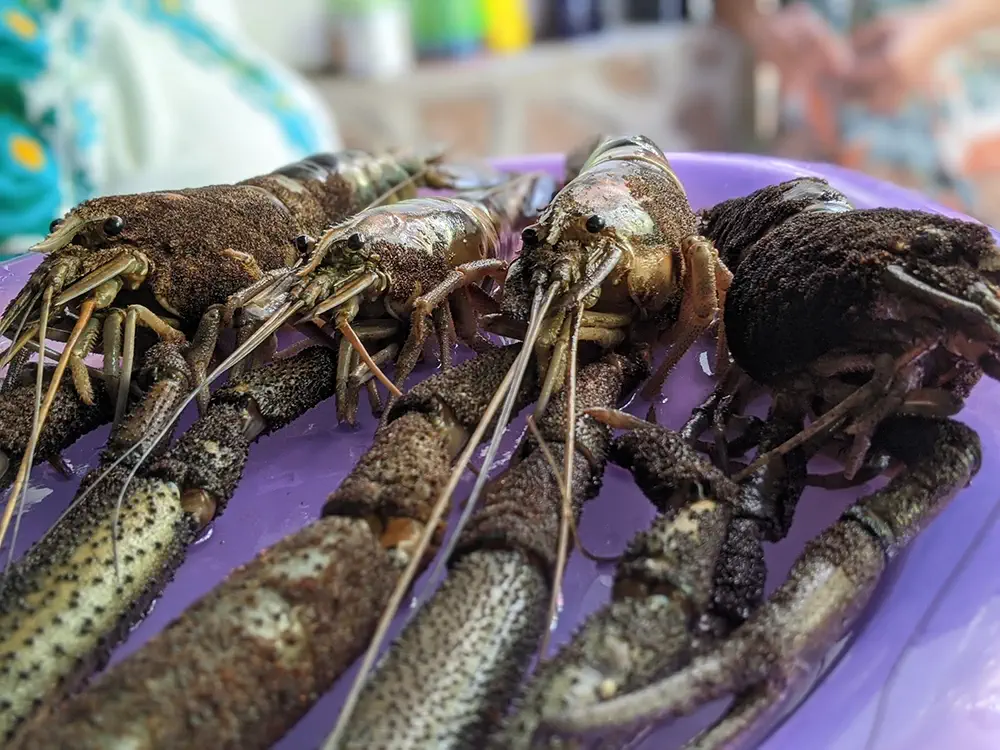
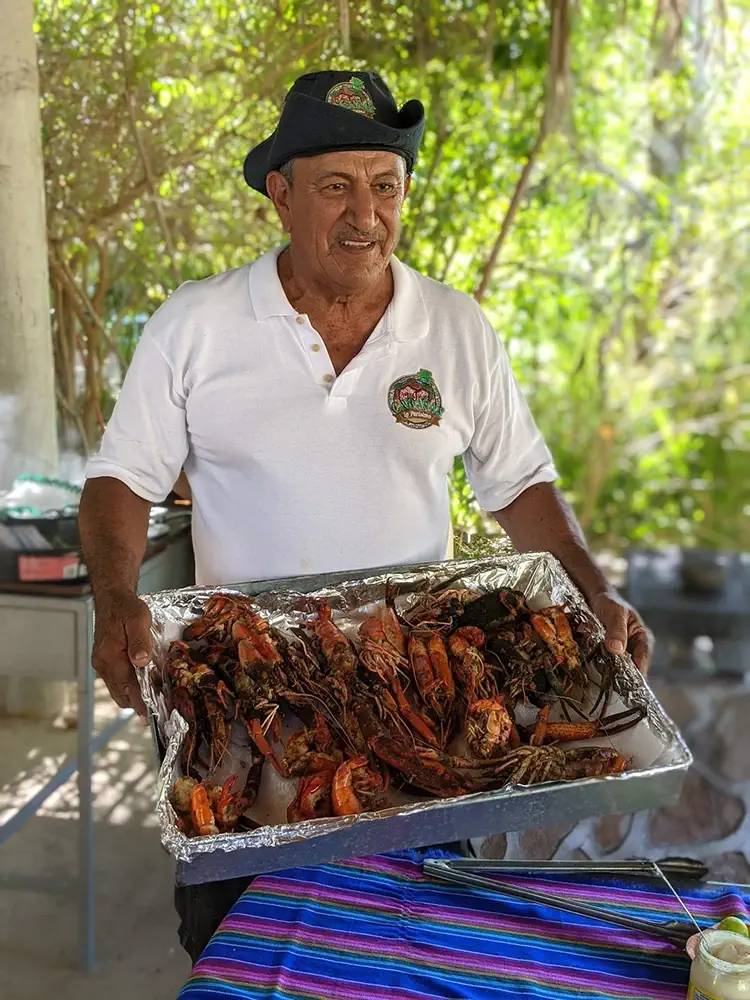
La Purísima is also renowned for its artisanal products. Local craftsmen produce goat cheese, fruit preserves, and traditional leather goods, including saddles and the famous “teguas” footwear. They also have freshwater lobsters that live in the river (and are incredibly delicious!). Chatting with these local artisans they talk about how these sustainable practices have supported the community for generations.
For a detailed itinerary that includes La Purísima and other highlights, you can refer to our Baja California Sur 7-day adventure guide.
Oceanic Expeditions around Loreto
Whale Watching in Loreto Bay

Loreto Bay, part of the Gulf of California—Once dubbed “The World’s Aquarium” by none other than marine explorer and conservationist, Jacques-Yves Cousteau—is a haven for marine biodiversity and an unparalleled destination for whale watching. From January to March, the waters off Loreto host several species of whales, including blue whales, humpbacks, and fin whales. Known for its calm, nutrient-rich environment, the bay provides a perfect setting for these giants of the sea to mate, nurse, and feed – and go whale watching!
Blue Whales: The Stars of Loreto Bay
Loreto Bay is particularly famed for its sightings of blue whales, the largest animals to have ever lived on Earth. Measuring up to 100 feet (30 meters) long and weighing over 200 tons, witnessing these gentle giants in their natural habitat is a humbling experience. The calm waters around the islands of Loreto—particularly Isla del Carmen and Isla Danzante—offer prime locations for observing these incredible creatures from a respectful distance.
The Islands of Loreto: Marine Exploration
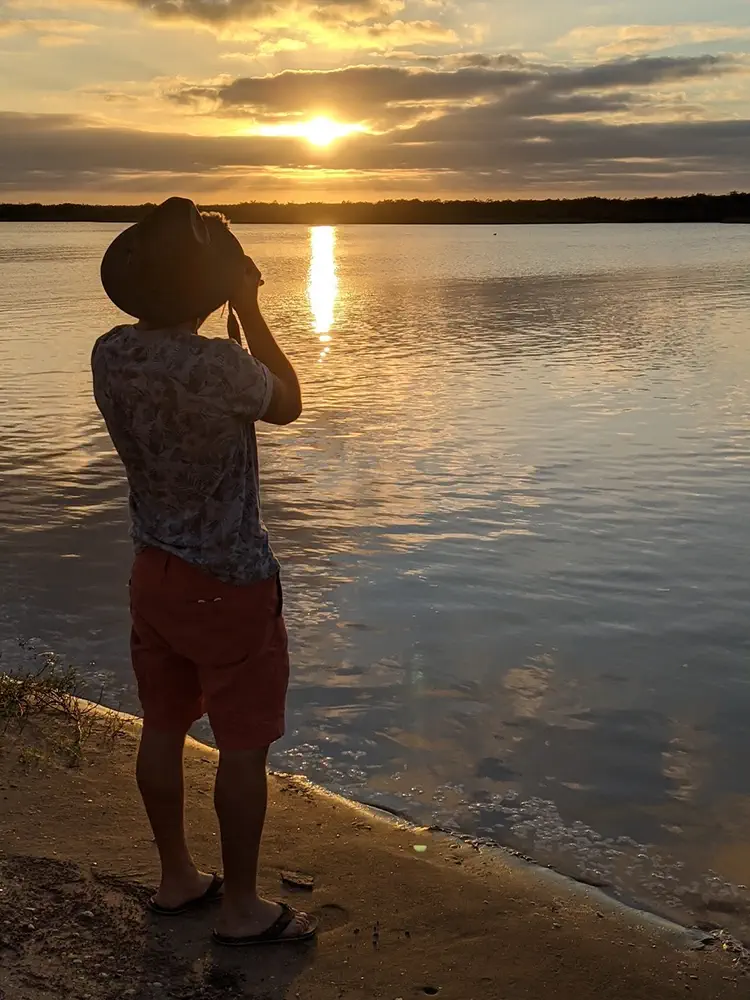
The five islands within the Loreto Bay National Park—Isla Coronado, Isla del Carmen, Isla Danzante, Isla Monserrat, and Isla Santa Catalina—provide breathtaking backdrops for whale-watching excursions. Each island also supports diverse ecosystems, including colonies of sea lions, dolphins, and seabirds, making your day on the water a multi-faceted marine adventure.
Sustainable Tourism Practices for Loreto, Mexico
Guided boat tours operate under strict guidelines to minimize impact on the whales and their habitat, adhering to Loreto Bay National Marine Park’s conservation standards. Visitors are encouraged to choose eco-certified operators to ensure their experience supports ongoing marine conservation efforts.
Unique Whale-Watching Experiences in Loreto
Loreto offers a more intimate whale-watching experience compared to larger hubs such as Magdalena Bay or San Ignacio Lagoon. With fewer tourists and smaller boat tours, it’s easier to feel a personal connection with the world’s largest animals. You might even hear the hauntingly beautiful songs of humpback whales through the water—a sound that stays with you long after the tour ends.
Other Whale Watching Opportunities in Baja California Sur
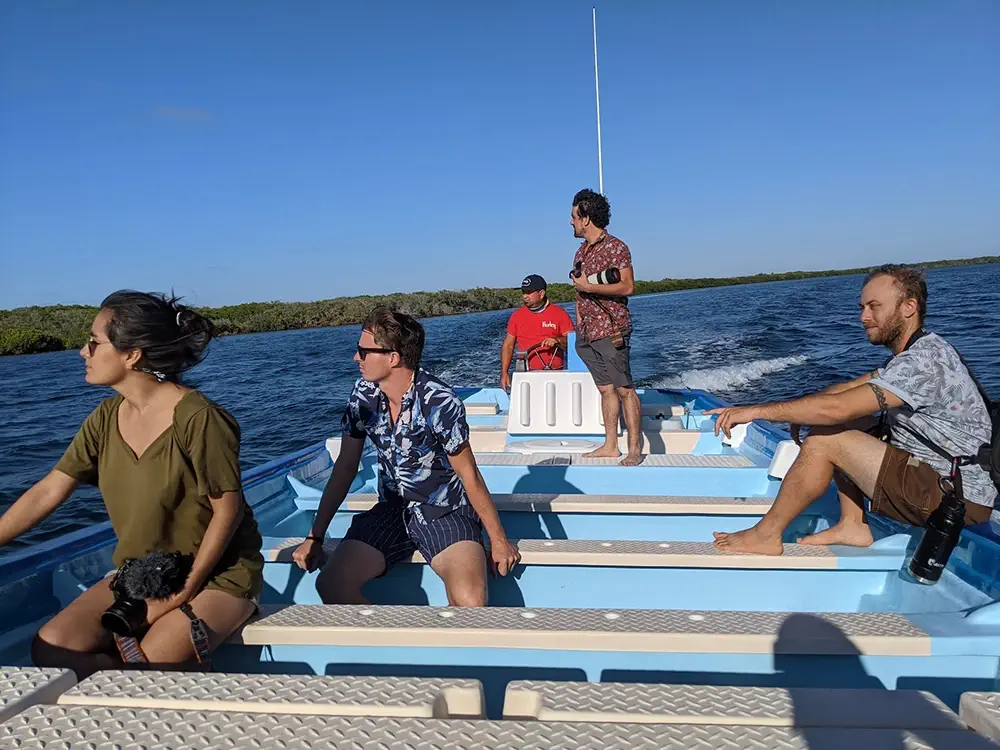

Beyond Loreto, Baja California Sur offers several exceptional whale-watching destinations. Adolfo López Mateos, located on the Pacific coast, is renowned for its gray whale sightings during the calving season. Similarly, San Ignacio Lagoon provides intimate encounters with these gentle giants in their natural habitat. For a comprehensive guide to whale-watching spots across the region, including the best times to visit and responsible travel practices, you can refer to Where Sidewalks End’s detailed article on whale-watching in Baja Sur.
Sea Kayaking in Loreto Bay

Loreto Bay, a UNESCO World Heritage site, is a paddler’s paradise where the calm turquoise waters of the Sea of Cortez scream for adventurers to explore its natural beauty. Known for its exceptional biodiversity, this region offers opportunities to glide through waters teeming with life and framed by stunning island landscapes.
Sea kayaking in Loreto Bay provides access to areas often unreachable by larger boats, making it an intimate way to connect with this marine wonderland. Even a short paddle along the coastline near Loreto we saw the waters teeming with activity. Just behind the airport, you can launch into the Sea of Cortez and find yourself surrounded by marine life and stunning views of the Sierra de la Giganta mountains.
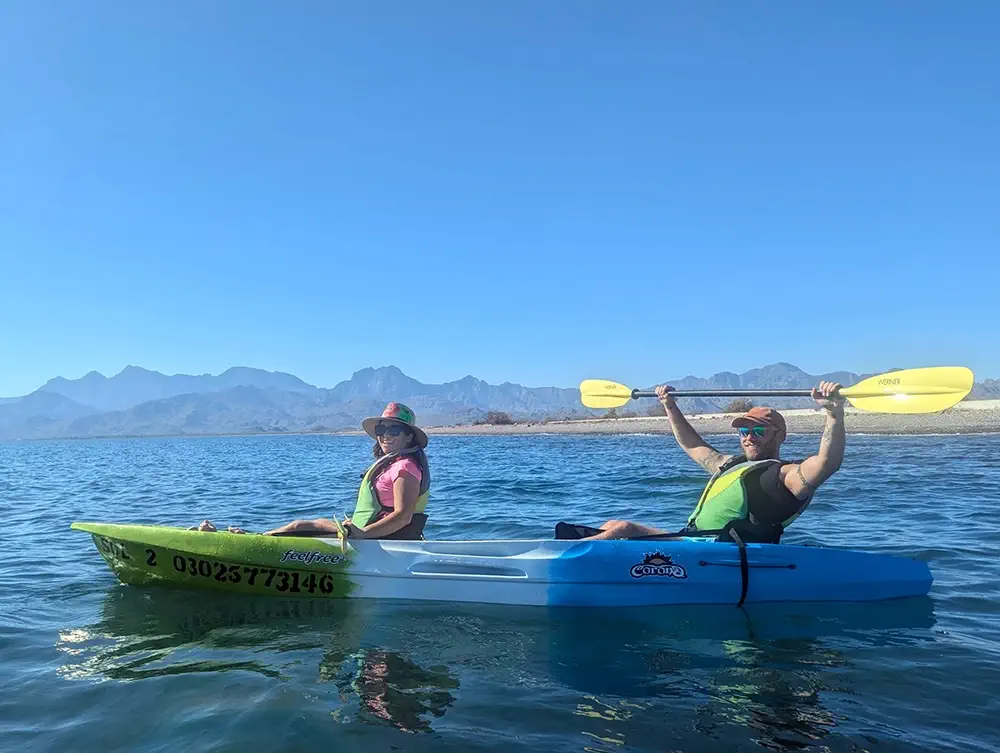

The bay is alive with marine biodiversity. Kayakers often spot dolphins playing alongside their boats, schools of manta rays gliding beneath the surface, and even the occasional whale breaching in the distance during winter. The remarkable underwater visibility makes it easy to observe a kaleidoscope of tropical fish darting among the reefs. One of the most surprising things we saw was Manta Rays leaping out of the water and splashing down! At first, it seemed like it was a rare occurrence, until everywhere we looked we saw them jumping out! It was incredible (but also tough to catch on camera, as it’s only a split second, and often off in the distance.
Exploring Loreto Bay’s Islands
For those seeking a more immersive experience, sea kayaking excursions can take you to some of the five islands within Loreto Bay National Park. Isla Coronado, known for its white-sand beaches and sea lion colony, is perfect for a day paddle and a swim. Isla del Carmen offers rugged cliffs and hidden coves, while Isla Danzante features dramatic landscapes and excellent snorkeling spots. These islands are home to rare seabirds and provide a perfect setting for rest breaks or picnic lunches.
Practical Tips for Kayaking in Loreto Bay
The best time for kayaking in Loreto Bay is from October to April when the weather is cooler, and the waters are calm. Whether you choose a short outing or a multi-day expedition, be sure to pack sun protection, plenty of water, and a sense of adventure. Guided trips are recommended for first-time visitors to ensure you fully appreciate the area’s natural beauty while respecting the guidelines of the National Park.
Whether you paddle along the mainland or venture to the islands, each stroke connects you deeper to the luxury of nature that defines Loreto.
Isla Coronado Adventures

Just a short boat ride from Loreto, Isla Coronado offers a blend of volcanic landscapes, white sand beaches, and crystal-clear waters, making it an ideal destination for both hiking and snorkeling enthusiasts.
Hiking to the Summit of the Volcano
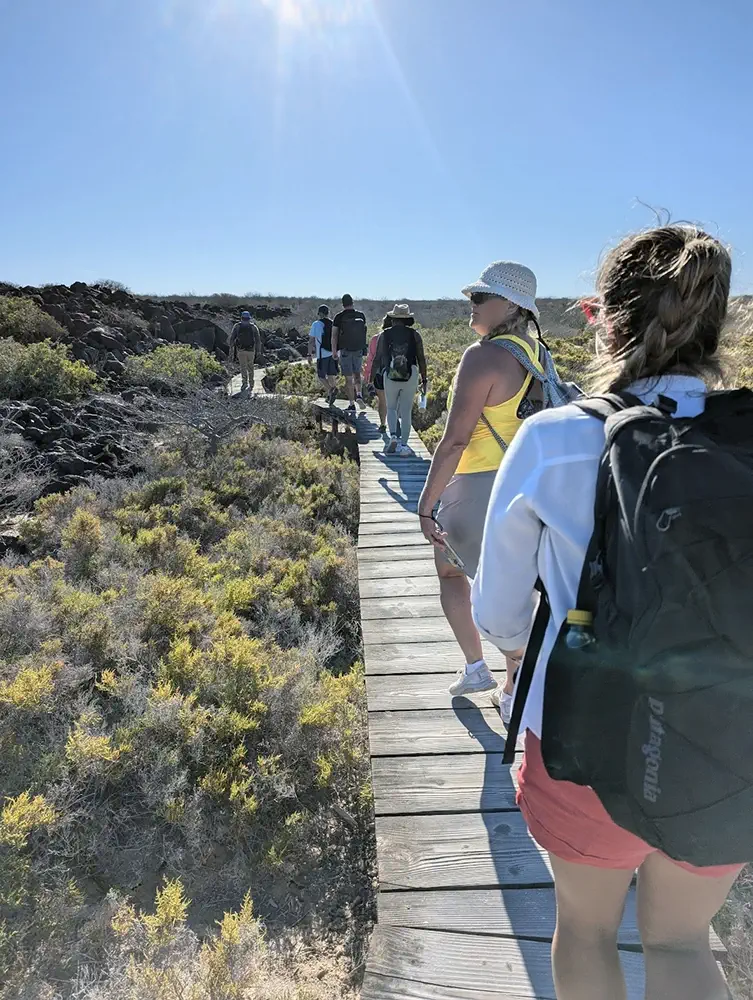
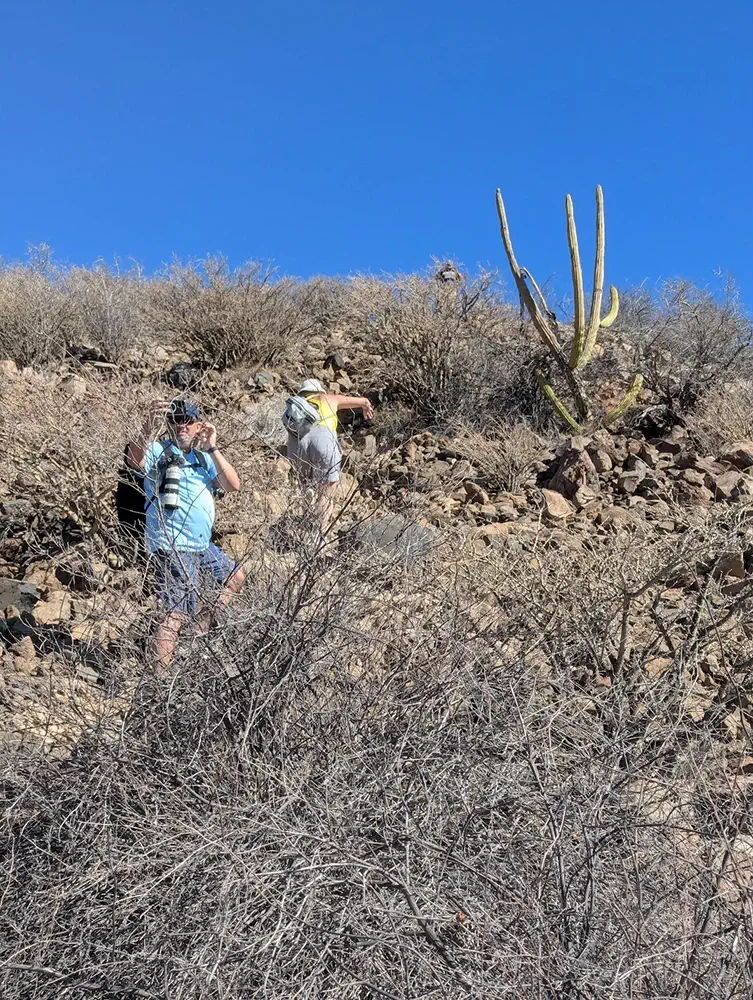
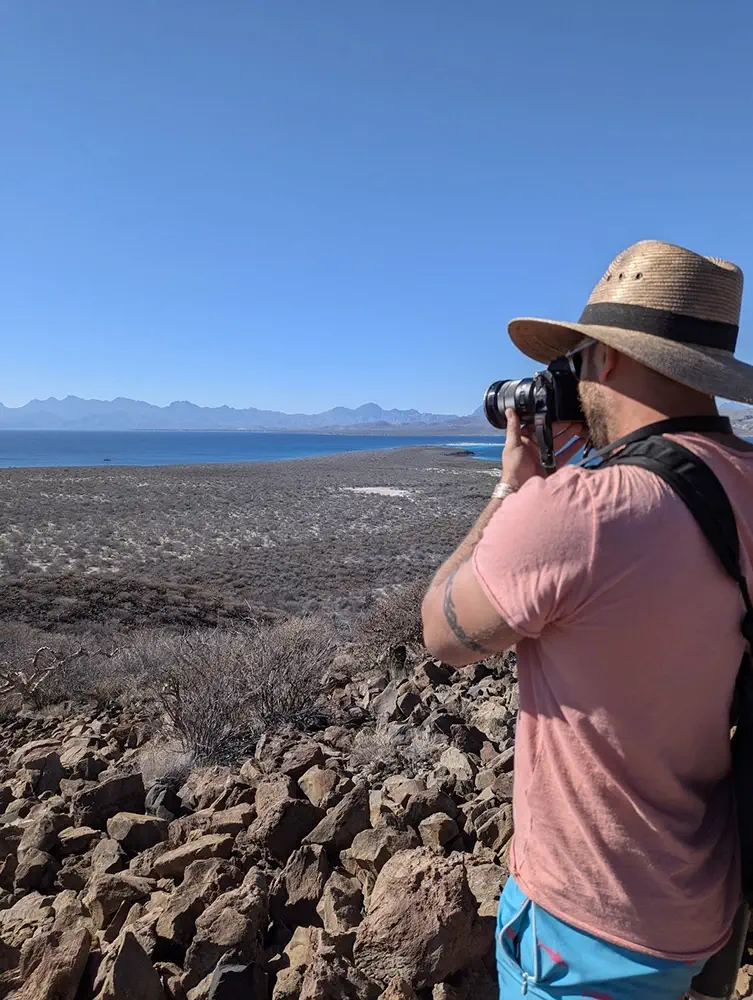
Isla Coronado is home to an extinct volcano that invites hikers with the promise of panoramic views. The trail to the summit winds through rugged terrain. As you ascend, you’ll be rewarded with incredible vistas of the Sea of Cortez and the surrounding islands, providing a profound sense of the natural beauty of this region.
Snorkeling Around Pristine Beaches

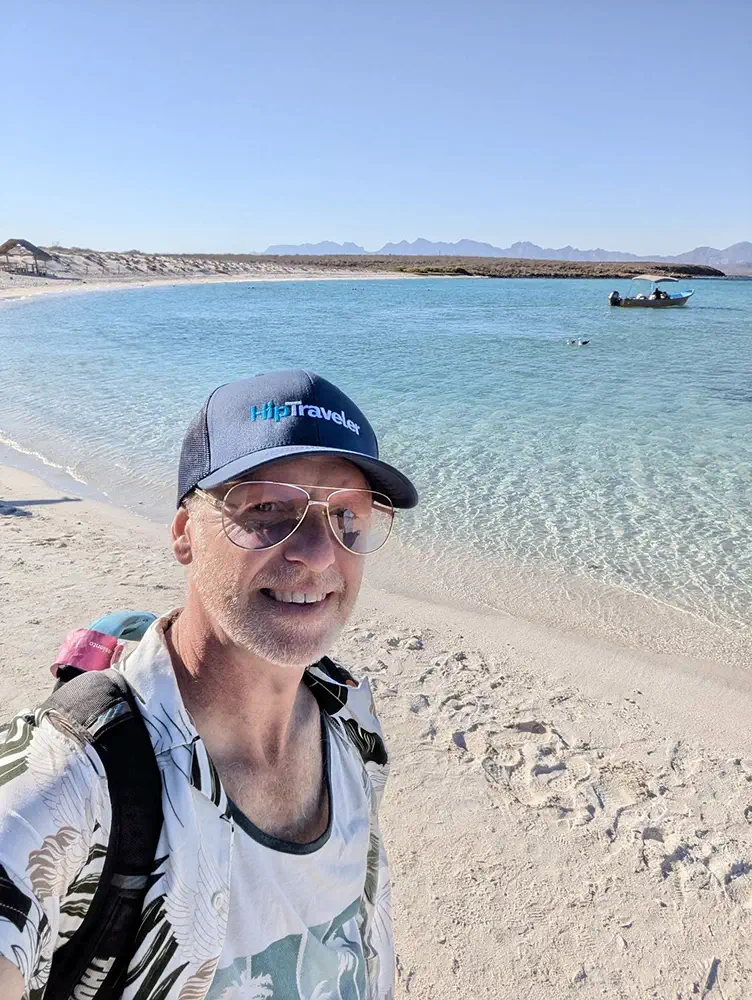
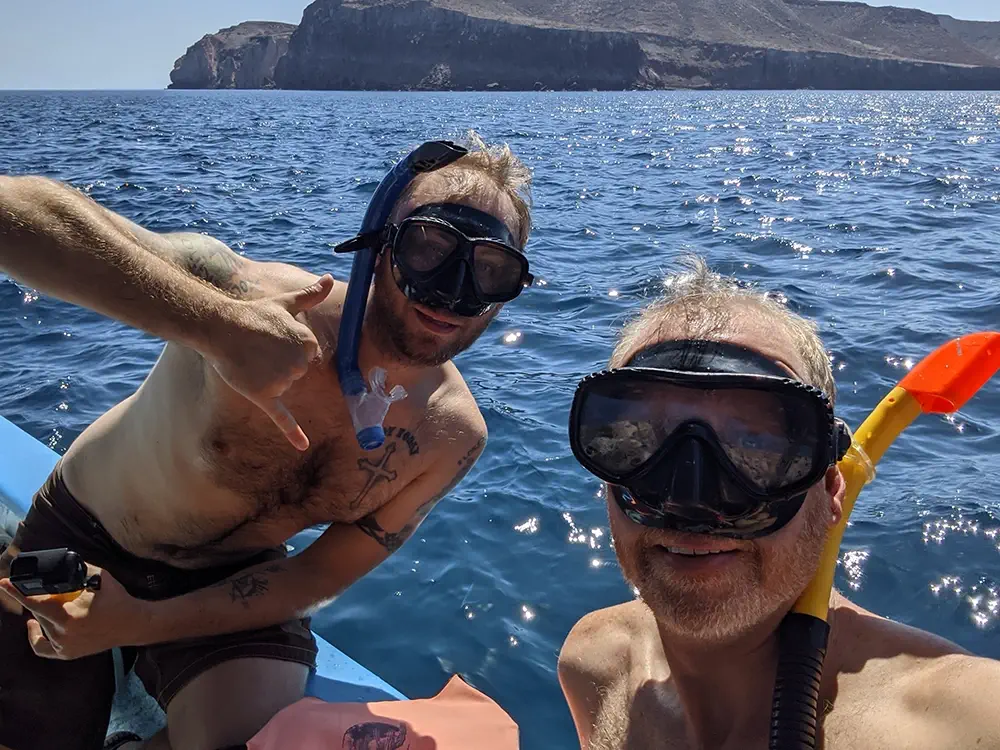
After your hike, the island’s pristine white sand beaches welcome you to cool off in the turquoise waters. The western side of Isla Coronado, shaped by decaying ancient coral reefs, boasts beautiful white sand beaches.
Snorkelers can explore underwater ecosystems teeming with colorful fish, sea turtles, and other marine life. The clarity of the water around Isla Coronado is exceptional, offering visibility that allows for an unforgettable snorkeling experience. My friend Scott and I spent hours searching for starfish, and schools of tropical fish.
Wildlife Encounters around Loreto Mexico
Beyond the underwater wonders, Isla Coronado is a sanctuary for various wildlife species. Sea lions are commonly spotted lounging on the rocks or playfully swimming near the shore. Bird enthusiasts will appreciate the presence of blue-footed boobies and other seabirds that inhabit the island.
Planning Your Visit
To make the most of your adventure, consider the following tips:
- Guided Tours: It is suggested to take guided tours can enhance your experience, as they provide insights into the local ecology and history while aiding in conservation guidelines for the National Park.
- What to Bring: Pack essentials such as water, snacks, sun protection, and snorkeling gear. Some tours may provide equipment, so it’s advisable to check in advance.
- Conservation: As Isla Coronado is part of the Loreto Bay National Marine Park, visitors are encouraged to follow Leave No Trace principles to preserve the island’s pristine environment.
Seasonality and Planning Your Visit
The best seasons to visit Loreto, BCS
The best time to visit Loreto is during the high season from November to April, when temperatures are pleasant, ranging from 68°F to 77°F (20°C to 25°C).
For those planning to hike the Camino Real, it’s advisable to consider the region’s climate. The best time for hiking around Loreto is during the cooler months, from November to April, when temperatures are milder. This period also coincides with the dry season, ensuring clearer trails and more comfortable trekking conditions.
The best season for Whale Watching in Loreto, BCS
The best time for whale watching in Loreto is between late January and early March, offering chances to see gray whales, humpbacks, and blue whales. The region’s mild winter weather and calm seas make this the ideal season for spotting not only whales but also dolphins, sea lions, and rays. These may be seen year-round.
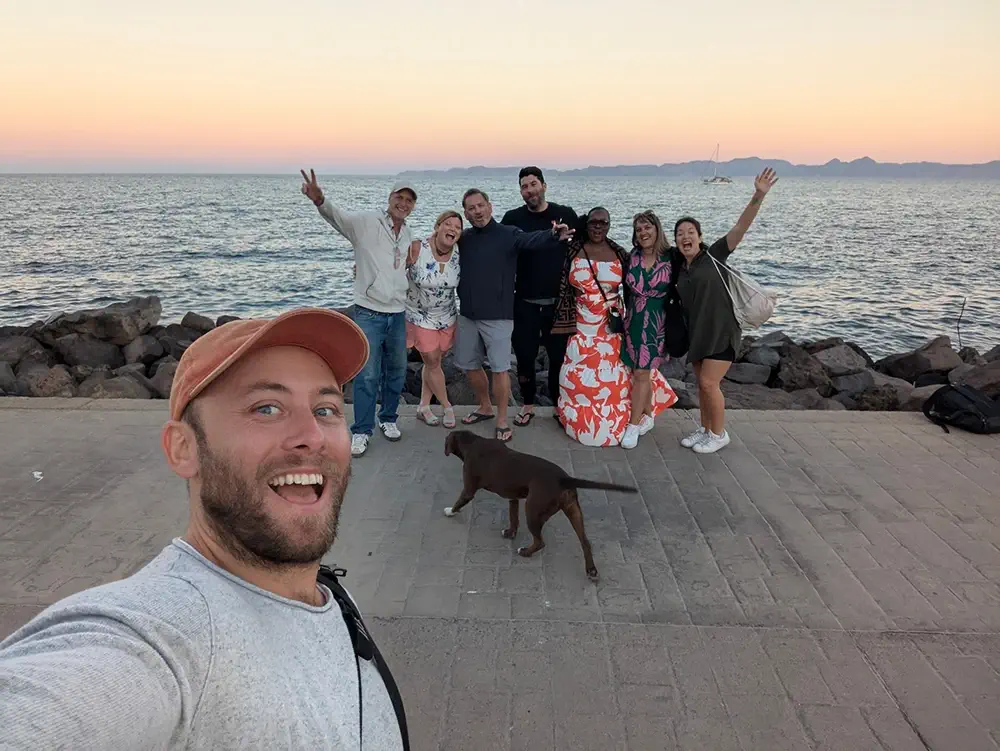
Why should Loreto make your travel bucket list?
Affiliate Disclosure: Some links in this post are affiliate links, which means WSE Travel may earn a small commission if you choose to book or buy through them—at no extra cost to you. We only recommend products and services we believe can genuinely enhance your travel experience.
Places to Stay in Loreto
La Mision Loreto

La Mision Loreto is located across from the scenic beach-walk Malecon, just a short walk from Loreto’s Central Plaza, Municipal Palace, and the historic “Our Lady of Loreto” Mission. The hotel offers two on-site restaurants with poolside service, outdoor terrace dining, and stunning views of the Sea of Cortez. Guests can enjoy clean rooms with private balconies and amazing ocean or mountain views. Facilities include a large pool, hot tub, and spa services. Dining options include Los Olivos Restaurant and Mezquite Pizza Grill. Tours such as whale watching, fishing, snorkeling, and boating are also available, making it ideal for relaxation and adventure.
Check Rates and Availability here!
Paraiso Azul Hotel

The Paraiso Azul Hotel in Loreto offers comfortable rooms with terraces or balconies that feature pool views, ensuring a relaxing stay. Guests can unwind at the sun terrace or enjoy the outdoor swimming pool. The hotel provides free on-site parking, an outdoor seating area, and a tour desk to explore the region. A local breakfast, featuring specialties and fresh fruits, is served daily. The on-site restaurant offers a variety of dining options. The hotel is conveniently located just a short walk from Zaragoza Beach, making it an ideal spot for beach lovers. It’s also near Loreto International Airport and attractions like Loreto Marina and Loreto Golf Club.
Check Rates and Availability here!
Hotel Santa Fe Loreto by Villa Group
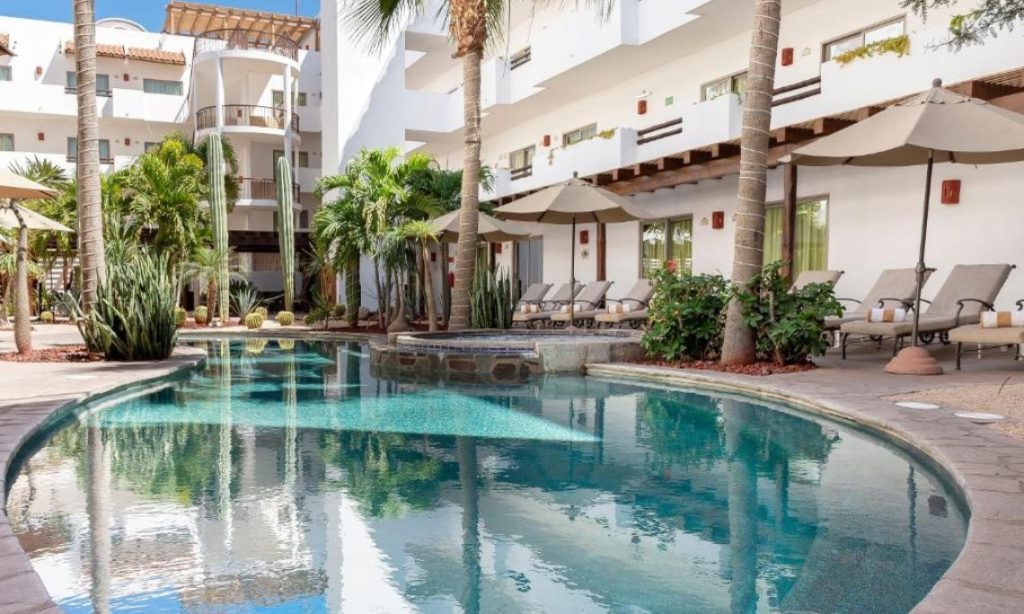
Hotel Santa Fe Loreto by Villa Group is a charming hotel located just minutes from Loreto town center, a short drive from Loreto International Airport, and about a 30-minute walk to the malecón (waterfront). Guests can relax in the heated pool, unwind in the jacuzzi, or enjoy exciting activities like diving, kayaking, and fishing. The hotel’s convenient location also places it close to the National Park of Bahia of Loreto. Rooms feature modern amenities for a comfortable stay. On-site, Casa Mia Restaurant serves delicious meals, and there’s a mini market for added convenience. Additional services like car rentals and tour assistance make it a perfect base for exploring the area.
Check Rates and Availability here!
Hotel Oasis

Hotel Oasis is located in Loreto Beach, just a 10-minute walk from the Plaza Civica Main Square. This beachfront hotel offers a private beach area, a beach club, and an outdoor swimming pool for a relaxing stay. The rooms provide pool views, ensuring a peaceful atmosphere. Guests can enjoy international and local dishes at the on-site restaurant and bar, or relax at the pool bar with a variety of drinks. The hotel arranges activities such as kayaking, snorkeling, sports fishing, and tours to nearby Coronado Island. With easy access to local attractions like Mision de Loreto and the Misiones Museum, Hotel Oasis is a perfect getaway.
Check Rates and Availability here!
Coco Cabanas Loreto
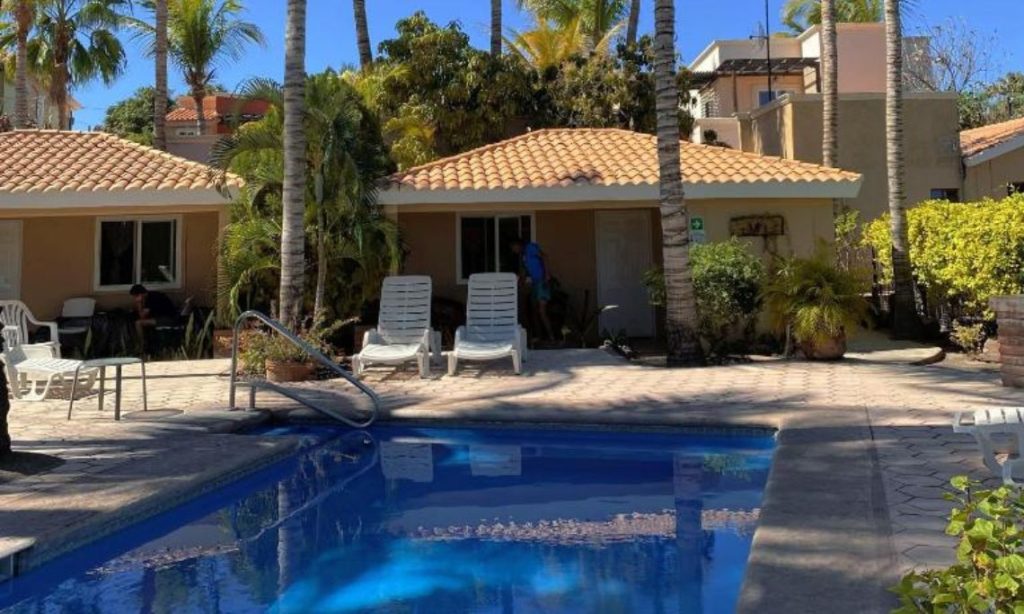
Coco Cabanas Loreto in Loreto offers comfortable family rooms with private bathrooms and modern amenities for a relaxing stay. Guests can enjoy a fully equipped kitchen and unwind in the sun terrace or garden. The hotel features a year-round outdoor swimming pool with sea views, a hot tub, and a children’s pool. Additional amenities include an outdoor seating area, picnic area, and barbecue facilities. Located near Zaragoza Beach and Loreto International Airport, the hotel is well-situated for easy access to local attractions, making it an ideal spot for relaxation and adventure.
Check Rates and Availability here!
Loreto is a destination that invites you to slow down and immerse yourself in its natural luxury. From desert trails to ocean adventures, every experience here feels like a deep connection to the land and sea. Whether you’re visiting for the wildlife, the history, or simply the peaceful vibes, Loreto is a place that will stay with you long after you leave.
Here are some more awesome resources from friends who were on this trip with me:
The Planet D: https://theplanetd.com/loreto-mexico/
Passports & Grub: https://passportsandgrub.com/things-to-do-in-loreto-mexico/
Laura Bronner: https://youtu.be/qJ640jlqfHo
Tomiko Harvey: https://www.huffpost.com/entry/travel-destinations-40s_l_6757b35ce4b0878021582b30
Brogan Abroad: https://broganabroad.com/things-to-do-in-loreto/
Loreto, Mexico Travel Resources
These are my favorite companies to use when I travel. They consistently have the best deals, offer world-class customer service and great value, and overall, are better than their competitors. They are the companies I use the most and are always the starting point in my search for travel deals.
- Best Flight Deals: Trip.com – Trip is my favorite flight search engine. It is a flight aggregator that provides travelers with the best rates on airline tickets. Its innovative search finds the best option for specific travel dates by comparing airfares offered by all major airlines and agencies. The aggregator displays final prices without any hidden fees. They are hands down the number one place to start.
- Best Hotel Deals: Booking.com – Booking is the best all-around hotel booking site that constantly provides the cheapest and lowest rates because it compares all the other major hotel booking sites. They have the widest selection of comfortable accommodations. In all my tests, they’ve always had the cheapest rates out of all the booking websites.
- Best Tour Deals: Where Sidewalks End (of course) – WSE Travel is a boutique tour operator with specially curated tours, events, and workshops. We have many tour options available in cities in Mexico and worldwide, including cooking classes, walking tours, art workshops, and more!
- Best Car Rental Deals: Discover Cars – If you want to have mobility freedom, renting a car is an incredible option, but finding the best deal can be a nightmare! Discover Cars scans all the major car rental sites and includes all mandatory fees, taxes, and extras in the quoted price, so there won’t be any unpleasant surprises when you arrive at the rental desk.
- Best Travel Insurance Deals: SafetyWing offers convenient, affordable plans tailored to all your travel needs. They have cheap plans, great customer service, and an easy-to-use claims process that makes it perfect for those on the road. They even have subscriptions if you are planning long-term, without having to reapply for each segment of your trip.
- Best E-SIM Provider: Airalo – Airalo is one of the most versatile e-SIM providers I’ve ever found, offering e-SIM in almost every country on earth! No need to take your home phone provider’s SIM card out and risk losing it on your trip! As long as your phone has e-SIM capabilities, Airalo has you covered at really good rates, so you can stay connected at all times on your trip!
- Best 100% Pick-pocket Proof Clothing Deals: Clever Companion – They make clothing specifically for travel, with hidden pockets to hide your valuables. From hoodies to briefs, they cover all your clothing needs – each with hidden pockets to hide your money, wallet, and anything else you want to keep safe!
- Best Eco-Safe Travel Products: TreeTribe – This company is just awesome! From water bottles to yoga pants, wallets to bikinis, and everything in between – all their products are great quality, and eco-friendly, AND they plant a tree for every purchase!
- Best Outdoor Travel Product: LifeStraw – My go-to company for reusable water bottles with built-in filters so you can ensure your drinking water is always clean and safe.

Leave a Reply